The Future of Dentistry: Emerging Technologies and Breakthrough Research
Jul 07, 2026
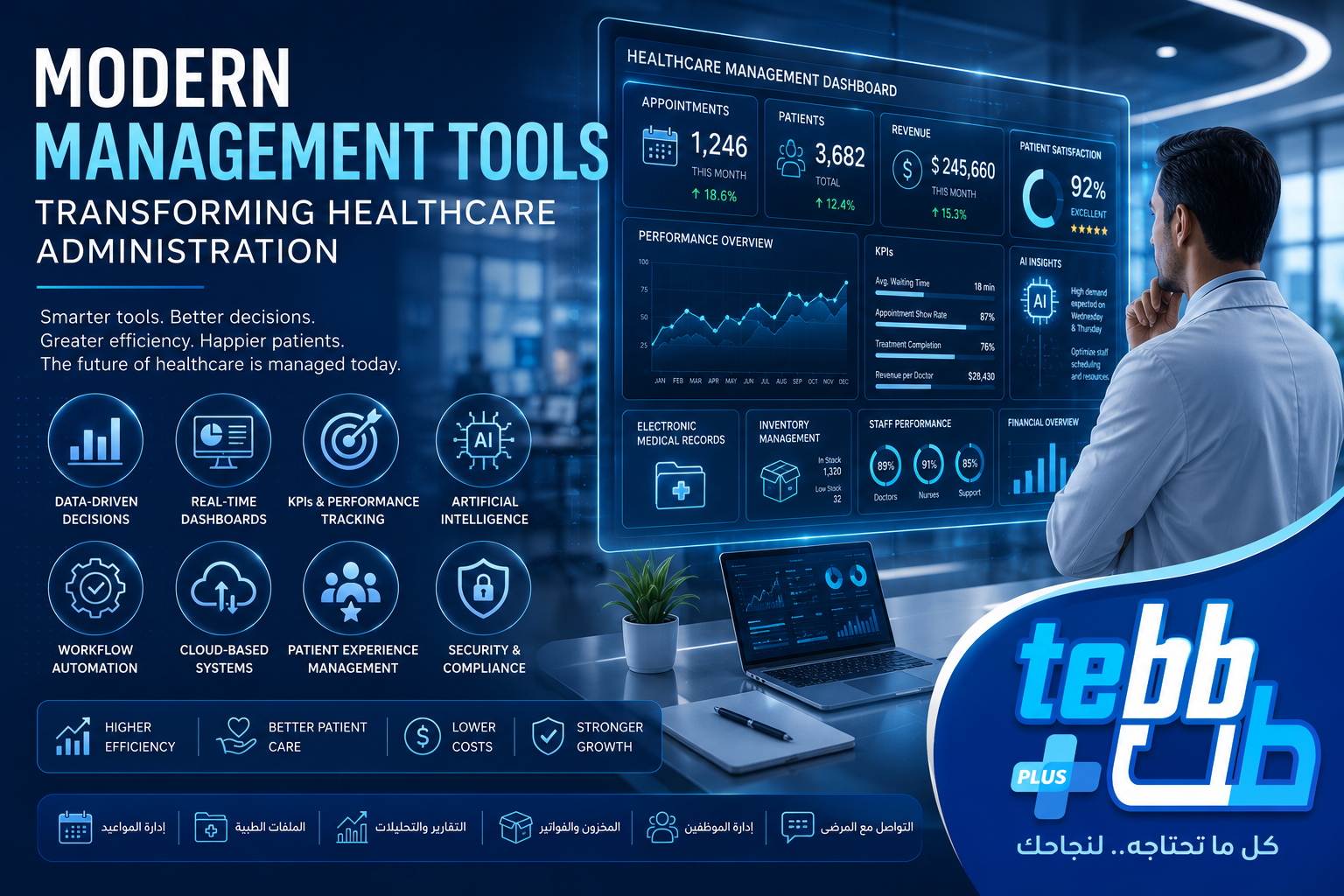
Healthcare organizations today operate in an increasingly complex environment where delivering high-quality patient care must be balanced with operational efficiency, financial sustainability, and regulatory compliance. As a result, modern healthcare management has shifted from traditional administrative practices to data-driven, technology-enabled management strategies that improve both clinical and business performance.
Modern healthcare organizations rely on data rather than intuition to make strategic and operational decisions.
By collecting and analyzing key operational data, administrators can identify performance gaps, optimize workflows, and improve patient outcomes.
Common healthcare metrics include:
Data-driven management enables healthcare leaders to make informed decisions that support continuous improvement.
Real-time dashboards provide healthcare managers with a comprehensive overview of organizational performance from a single interface.
A well-designed dashboard allows administrators to monitor:
Instead of reviewing multiple reports, decision-makers gain instant visibility into critical operational indicators.
Successful healthcare organizations continuously measure performance through Key Performance Indicators (KPIs).
Some of the most important KPIs include:
Monitoring these indicators helps healthcare organizations improve efficiency, maintain quality standards, and support sustainable growth.
Artificial Intelligence (AI) is becoming an essential component of modern healthcare administration.
AI-powered systems can assist with:
By automating repetitive tasks and providing predictive insights, AI enables administrators to focus on strategic decision-making.
Automation streamlines routine administrative processes, reducing manual work and minimizing human error.
Healthcare organizations can automate:
Workflow automation improves operational efficiency while enhancing the overall patient experience.
Lean Management focuses on eliminating activities that do not add value to patient care.
Healthcare organizations applying Lean principles aim to:
Research has shown that Lean methodologies contribute to higher quality care, lower operational costs, and improved patient satisfaction.
Modern healthcare extends beyond clinical treatment—it also emphasizes the overall patient experience.
Key elements include:
Organizations that prioritize patient experience often achieve stronger patient loyalty, higher satisfaction scores, and increased referrals.
Cloud technology has transformed healthcare administration by providing secure, flexible access to organizational data.
Benefits include:
Cloud-based practice management systems have become the preferred solution for many modern clinics and healthcare organizations.
Healthcare management has evolved far beyond scheduling appointments and maintaining patient records. Today's successful healthcare organizations rely on data analytics, artificial intelligence, workflow automation, cloud technologies, and performance measurement to improve efficiency, reduce costs, and deliver higher-quality patient care.
By adopting these modern management tools, clinics and healthcare facilities can strengthen operational performance while providing a better experience for both patients and healthcare professionals.
Jul 07, 2026
Jul 06, 2026

Jan 20, 2026

Dec 26, 2025
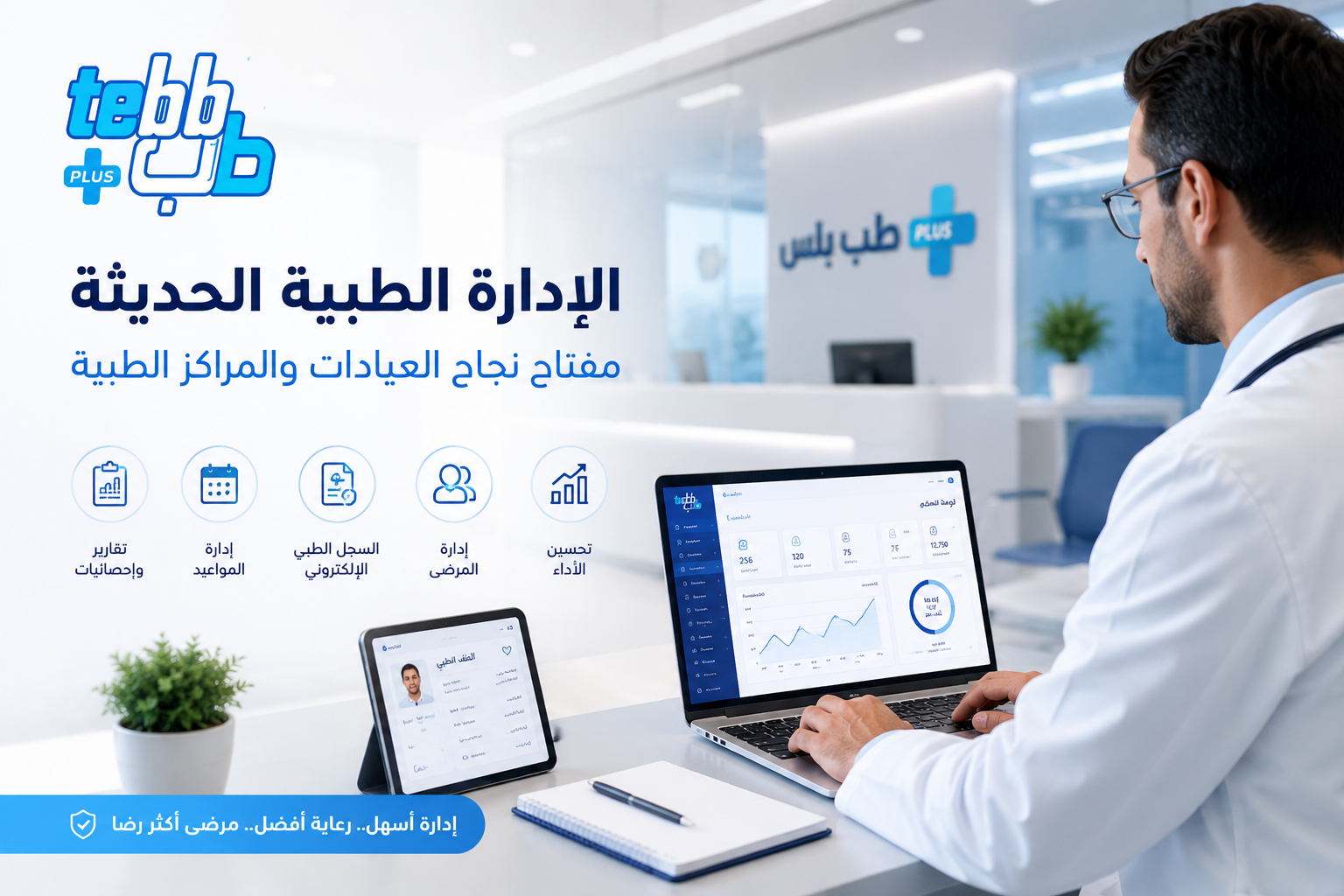
Modern Medical Management: The Key to a Successful Medical PracticeAs healthcare continues to evolve, the success of a c...